Rasmus Landgreen, product designer
Selected work
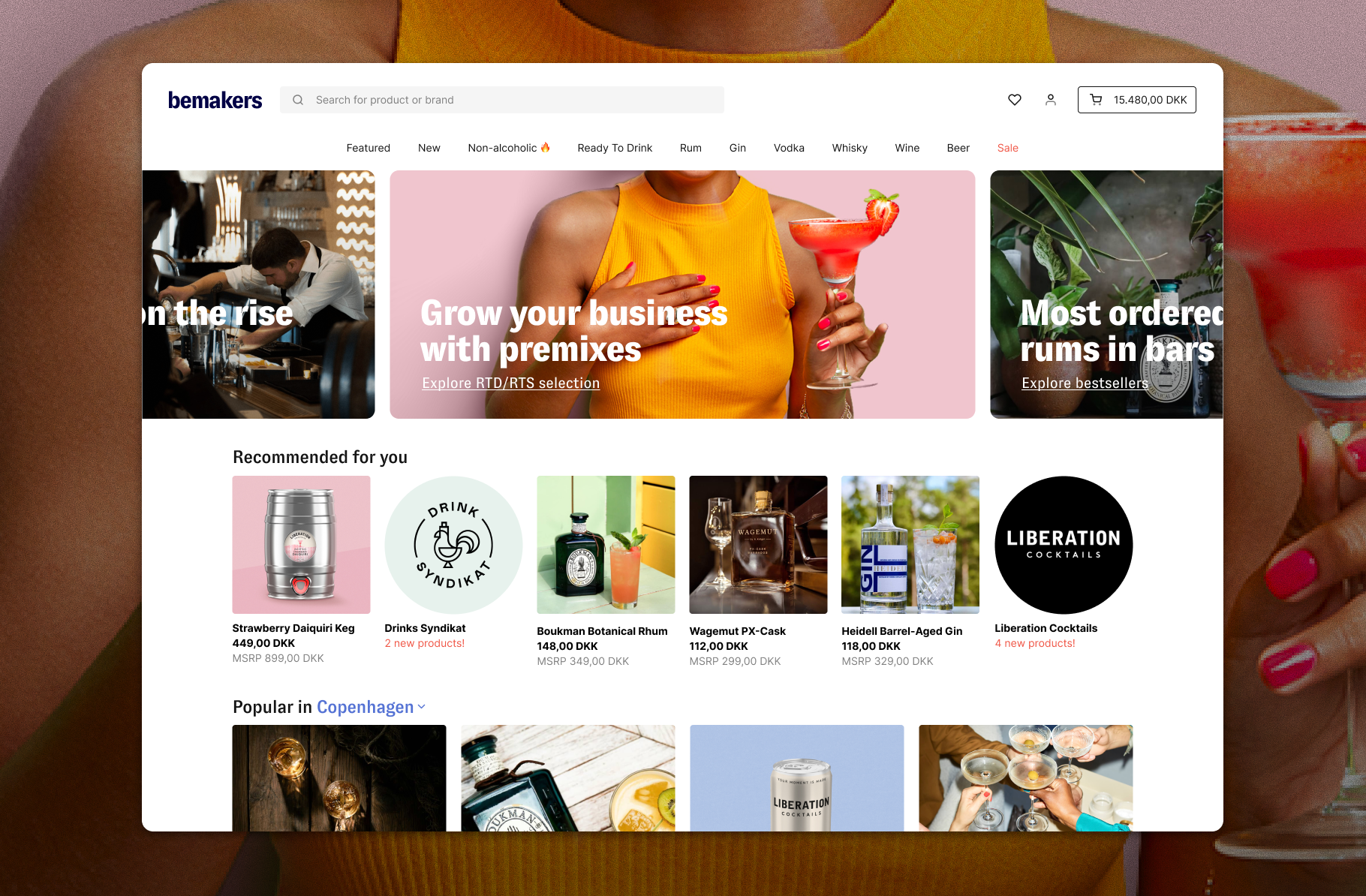
Next-gen infrastructure for the beverage industry. Designed the product suite and brand now powering hundreds of ambitious international beverage brands.
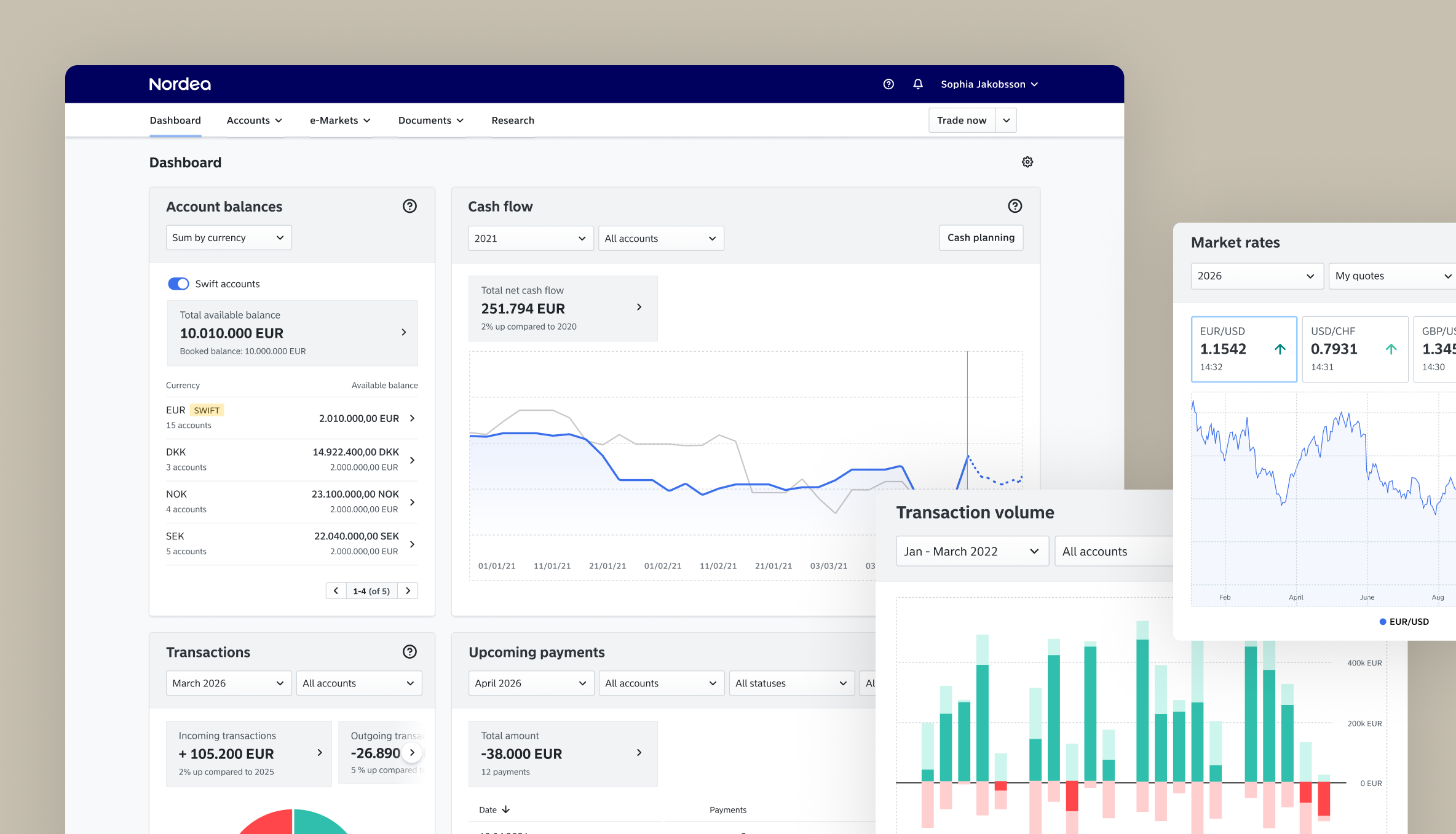
One home for the bank's hardest customers. Taking large corporates from scattered tools and paper-based KYC to a single platform across FX trading, payments and compliance.
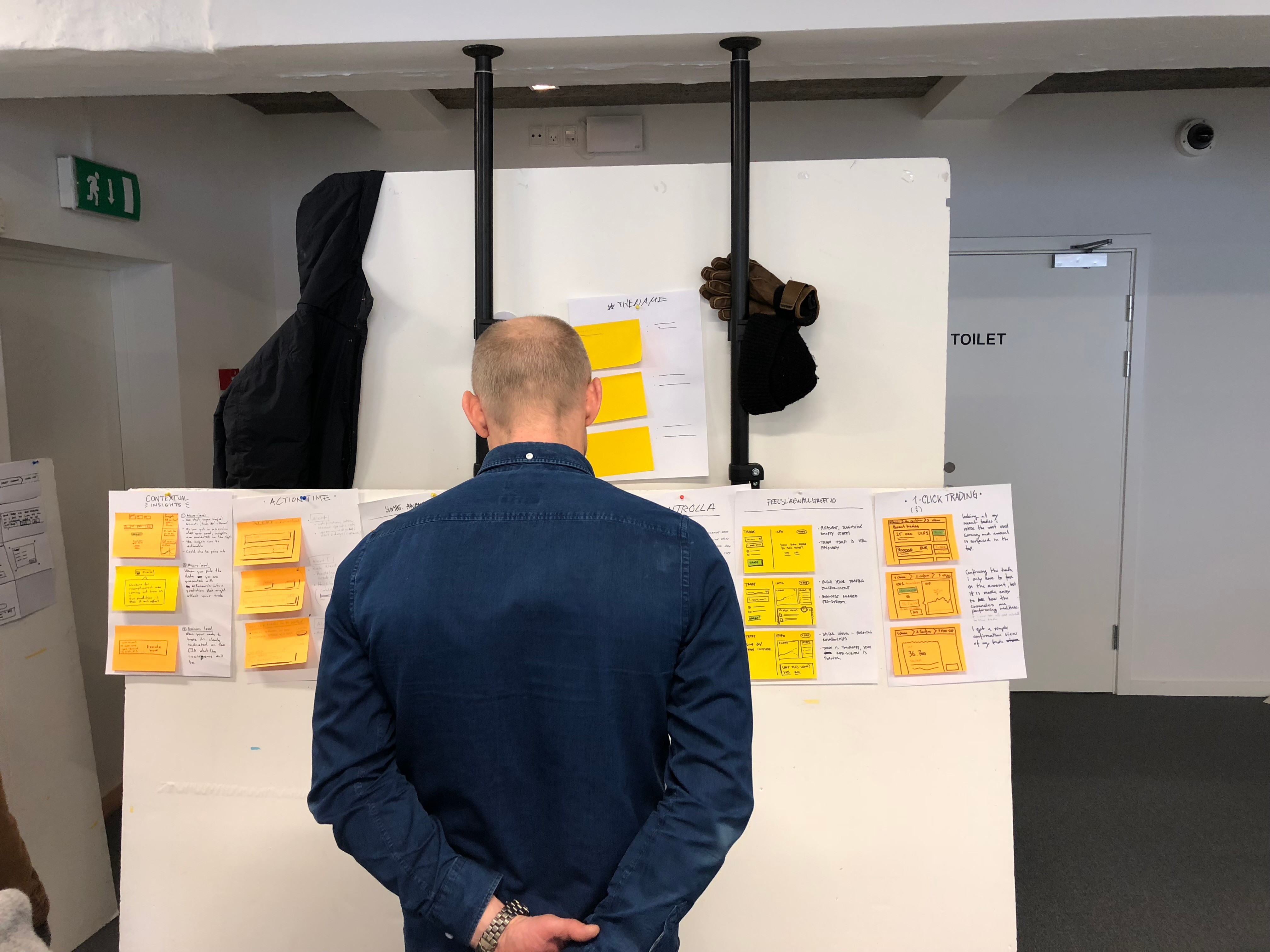
How I work. From the mess to the thing that ships. How I get from one to the other.
Read about my process
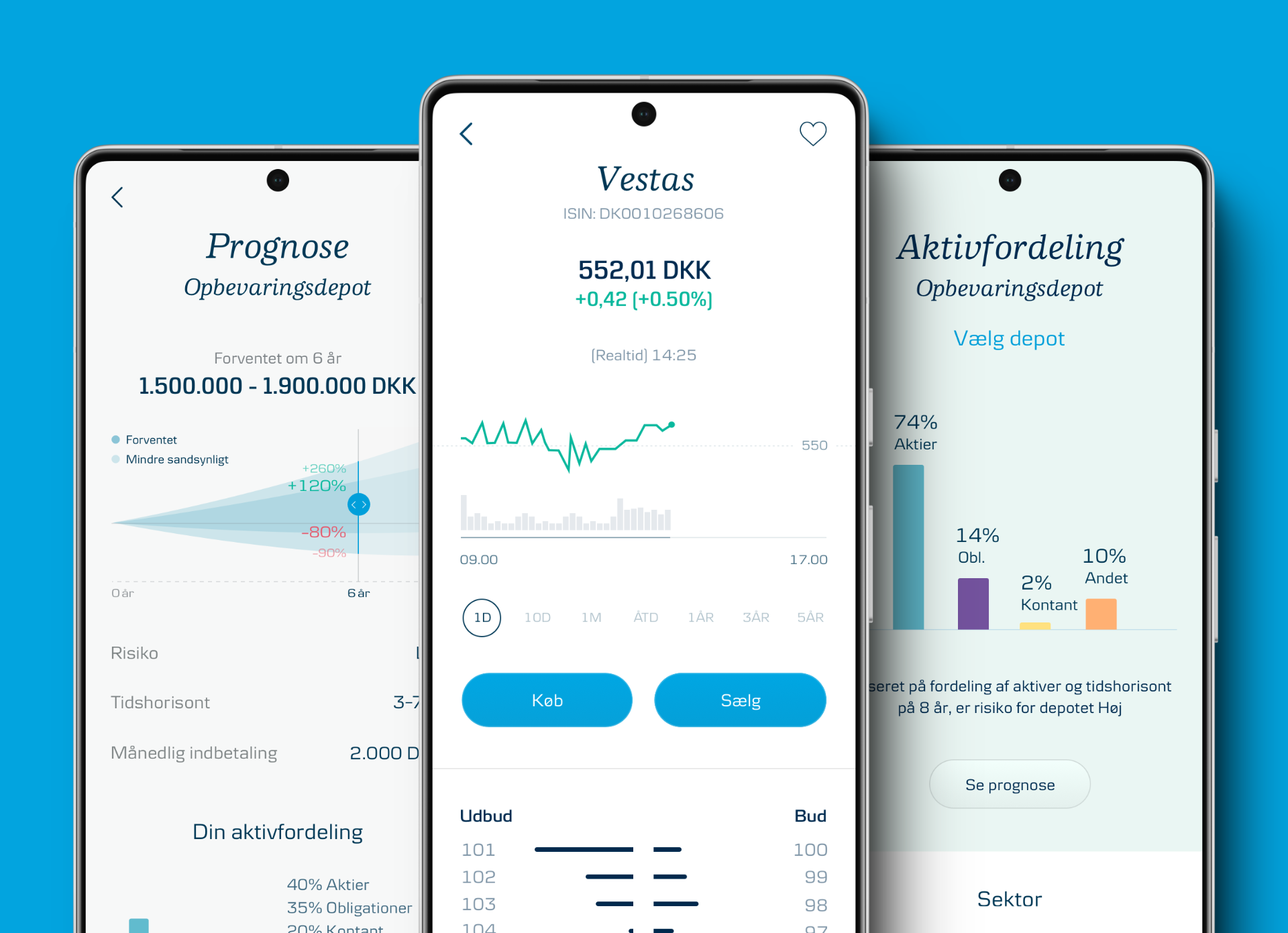
Investment at your fingertips. Building trading services for high-end personal customers; vigorous testing, workshops and co-creation.
Full list of work is on Linkedin
Projects & Experiments. More heart than monetisation.
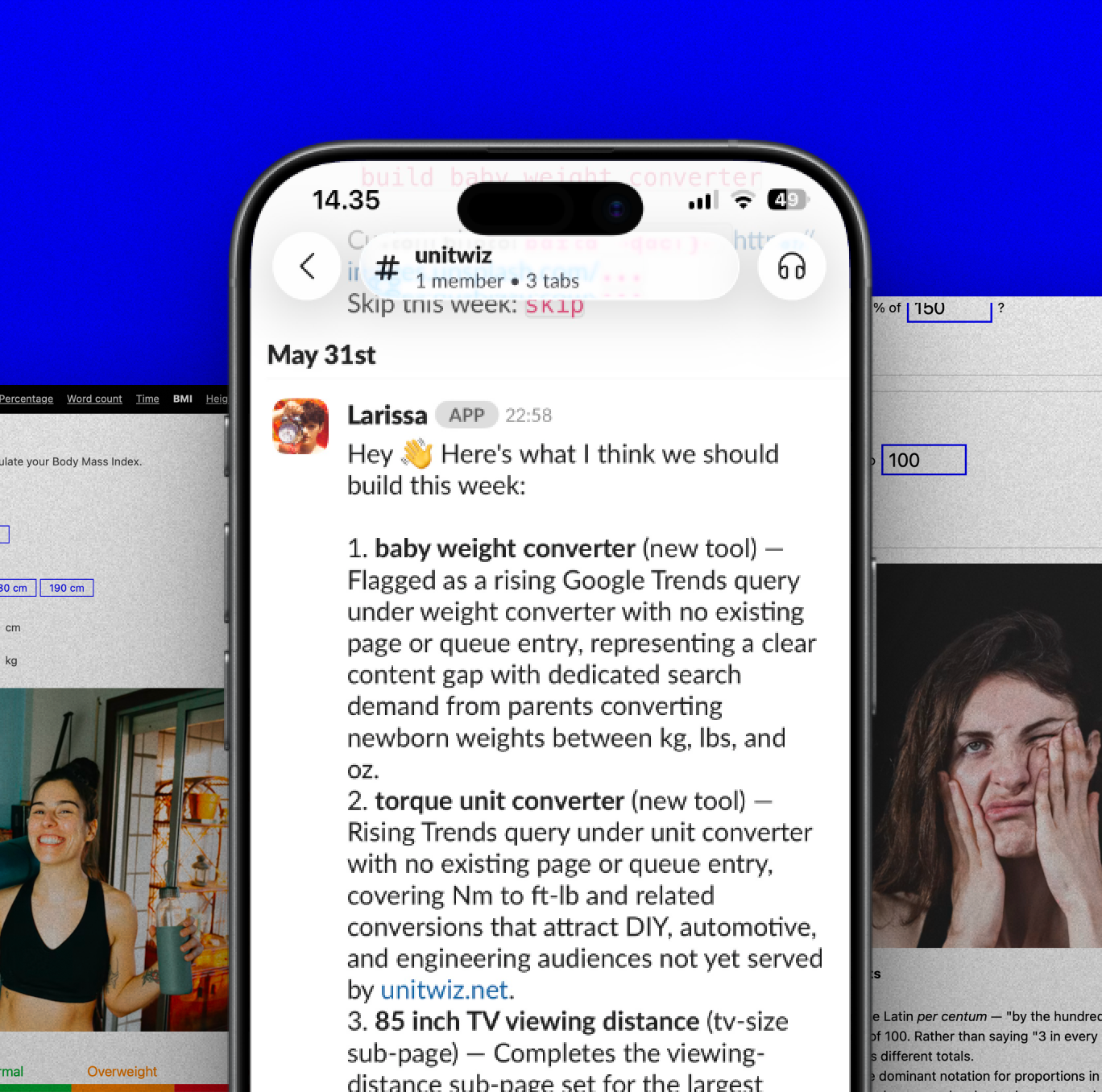
A weekend robot that built calculators while I watched. I wired up a Slack bot, the Claude API and a schedule, and it researched, wrote and shipped pages on its own. An experiment in automating the making, and in how little that turned out to matter.
Case study
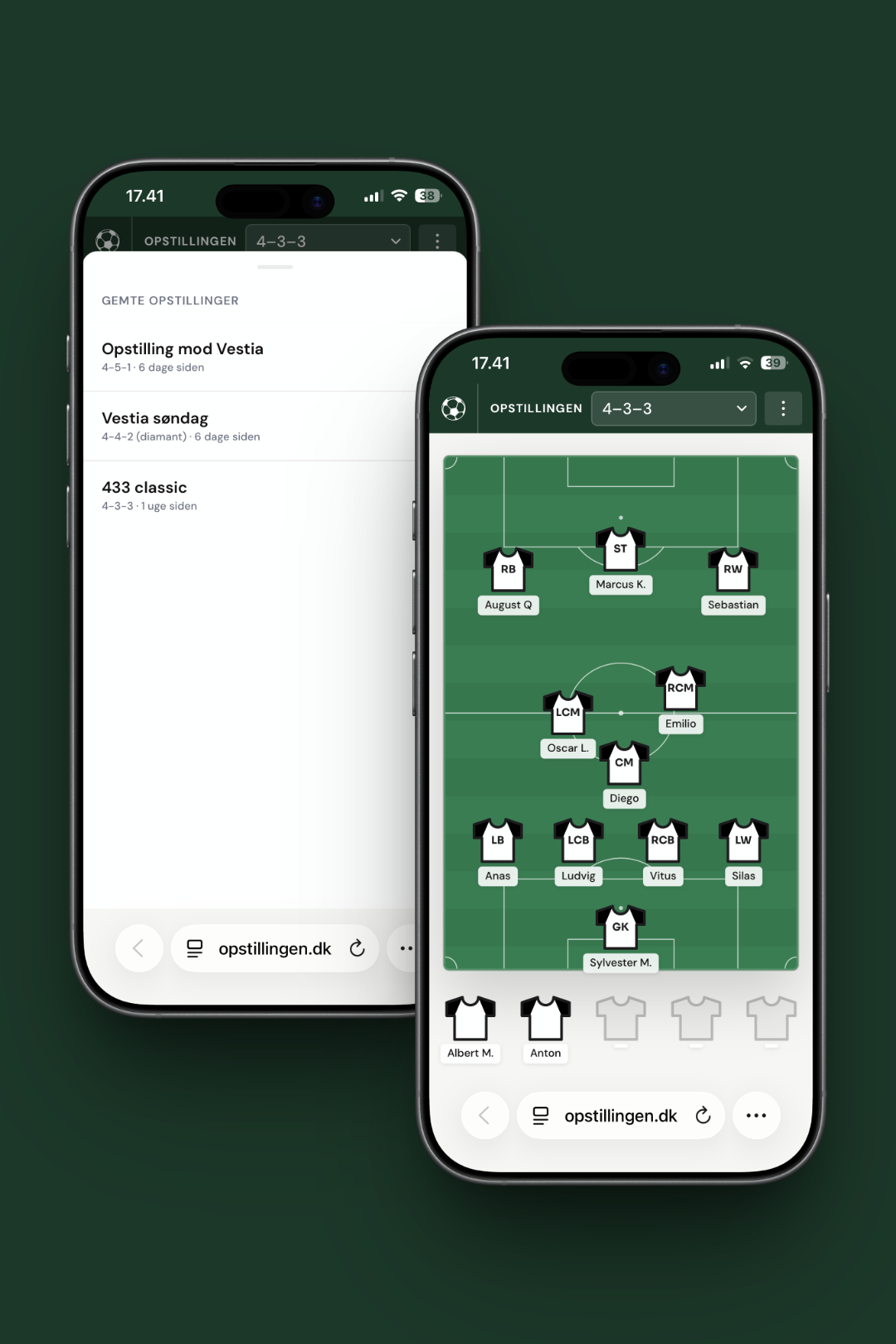
Becoming the default layer in Danish grassroots football. A lineup builder and a club finder, both live and used organically, sitting on one shared foundation that gets richer with every tool.
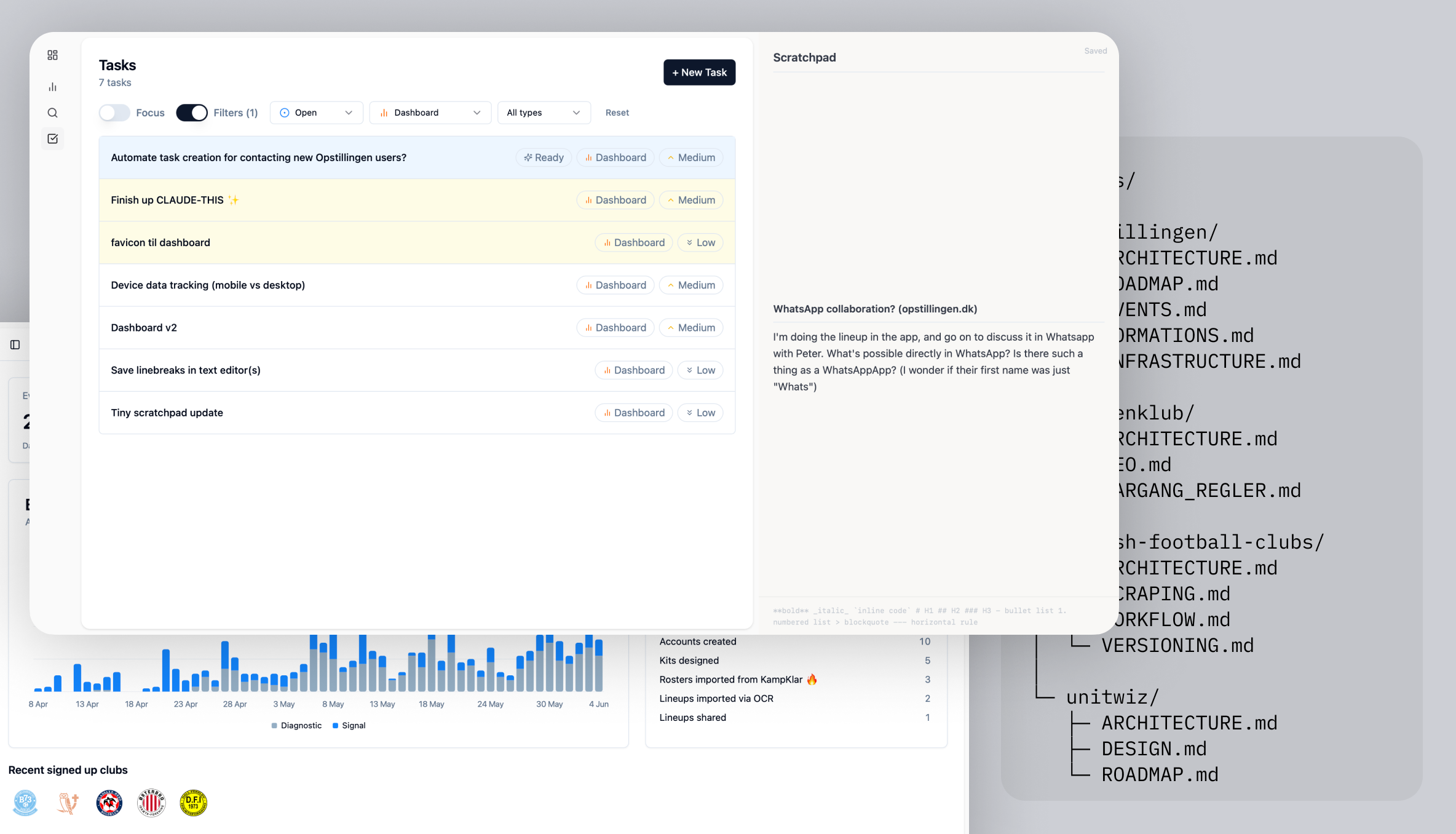
A task manager that can build too. What started as a usage dashboard became a personal Linear that reads each project's architecture and hands back a prompt ready to build. Built solo to learn the tools, kept because it compounds.
Writing
June 2026
NEW
I spent eighteen years quietly looking down on marketing. Then I started building my own products, and nobody showed up. On distribution and romanticising product design.
APRIL 2026
Design is a way of thinking that travels. A short/long rant about the state of language in design before and during AI.
February 2026
A rare time to learn. The craft is being rebuilt while we use it. So I'm doing something I've never done. I’m taking a break.
Rasmus Landgreen, product designer
Product designer with 15+ years of experience designing complex products, workflows and systems. Exploring the intersection of product design, AI and software.
Selected work
Next-gen infrastructure for the beverage industry. Designed the product suite and brand now powering hundreds of ambitious international beverage brands.
One home for the bank's hardest customers. Taking large corporates from scattered tools and paper-based KYC to a single platform across FX trading, payments and compliance.
How I work. From the mess to the thing that ships. How I get from one to the other.
Read about my process
Investment at your fingertips. Building trading services for high-end personal customers; vigorous testing, workshops and co-creation.
Full list of work is on Linkedin
Projects & Experiments. More heart than monetisation.
A weekend robot that built calculators while I watched. I wired up a Slack bot, the Claude API and a schedule, and it researched, wrote and shipped pages on its own. An experiment in automating the making, and in how little that turned out to matter.
Case study
Becoming the default layer in Danish grassroots football. A lineup builder and a club finder, both live and used organically, sitting on one shared foundation that gets richer with every tool.
A task manager that can build too. What started as a usage dashboard became a personal Linear that reads each project's architecture and hands back a prompt ready to build. Built solo to learn the tools, kept because it compounds.
Writing
June 2026
NEW
I spent eighteen years quietly looking down on marketing. Then I started building my own products, and nobody showed up. On distribution and romanticising product design.
APRIL 2026
Design is a way of thinking that travels. A short/long rant about the state of language in design before and during AI.
February 2026
A rare time to learn. The craft is being rebuilt while we use it. So I'm doing something I've never done. I’m taking a break.
Rasmus Landgreen, product designer
Product designer with 15+ years of experience designing complex products, workflows and systems. Exploring the intersection of product design, AI and software.
Selected work
Next-gen infrastructure for the beverage industry. Designed the product suite and brand now powering hundreds of ambitious international beverage brands.
One home for the bank's hardest customers. Taking large corporates from scattered tools and paper-based KYC to a single platform across FX trading, payments and compliance.
Investment at your fingertips. Building trading services for high-end personal customers; vigorous testing, workshops and co-creation.
How I work. From the mess to the thing that ships. How I get from one to the other.
Full list of work is on Linkedin
Projects & Experiments. More heart than monetisation.
A weekend robot that built calculators while I watched. I wired up a Slack bot, the Claude API and a schedule, and it researched, wrote and shipped pages on its own. An experiment in automating the making, and in how little that turned out to matter.
Case study
Becoming the default layer in Danish grassroots football. A lineup builder and a club finder, both live and used organically, sitting on one shared foundation that gets richer with every tool.
A task manager that can build too. What started as a usage dashboard became a personal Linear that reads each project's architecture and hands back a prompt ready to build. Built solo to learn the tools, kept because it compounds.
Writing
June 2026
NEW
I spent eighteen years quietly looking down on marketing. Then I started building my own products, and nobody showed up. On distribution and romanticising product design.
APRIL 2026
Design is a way of thinking that travels. A short/long rant about the state of language in design before and during AI.
February 2026